Copper Peptides (GHK-Cu) in 2026: What They Are, and How the Forms Compare
A complete look at the science, the two main forms, and how a prescribed, at-cost option differs from a drugstore serum or a research-grade vial.

Copper peptides are a small molecule your body already makes, best known by the name GHK-Cu. The topical form (a cream or serum) is a well-studied cosmetic ingredient with strong data for skin and wound support.
The injectable form is different: it delivers GHK-Cu into the body so it circulates rather than staying at the skin surface, and after the FDA removed GHK-Cu from its Category 2 safety-concern list in April 2026, the topical form now sits in Category 1 while the injectable form heads for Pharmacy Compounding Advisory Committee review by early 2027. This guide covers the science, then compares an over-the-counter serum, an unregulated research-grade vial, and pru's prescribed, 503A-compounded GHK-Cu priced at cost.
What are copper peptides (GHK-Cu)?
Copper peptides are small proteins built to carry copper. The most studied one is GHK-Cu, short for glycyl-L-histidyl-L-lysine bound to a copper ion. It is a tripeptide, meaning a chain of three amino acids, that holds copper safely so the metal can be delivered into cells without causing damage.
GHK is not foreign to the body. It occurs naturally in human plasma, saliva, and urine, and was first isolated from human blood plasma by Loren Pickart in 1973. Levels are highest when you are young and fall with age. Plasma GHK measures around 200 ng/mL at age 20 and drops to roughly 80 ng/mL by age 60, which researchers connect to slower tissue repair over time.
In skincare products, the same molecule appears on labels as copper tripeptide-1. It is studied for skin remodeling, collagen support, wound healing, and antioxidant and anti-inflammatory signaling.
How copper peptides work in the body
GHK-Cu acts as a signal, not a drug that forces a single effect. When tissue is injured, GHK is released from damaged proteins and appears to help coordinate repair. In lab and animal studies it has been shown to influence several pathways at once.
- Collagen and matrix support: it stimulates production of collagen, elastin, and glycosaminoglycans, the structural molecules that give skin its thickness and bounce.
- Wound signaling: it is released during injury and has accelerated healing in animal wound models, including diabetic and low-blood-flow wounds.
- Antioxidant and anti-inflammatory activity: it can neutralize reactive byproducts and, in lab studies, lower inflammatory markers such as TNF-alpha and IL-6.
- Gene-level signaling: research reports that GHK can shift the activity of a large share of human genes, turning some up and others down, including genes tied to repair and to protein cleanup.
The evidence baseGHK-Cu's mechanisms are characterized in detail across cell and animal studies, and its skin effects are documented in cosmetic research. That is a strong, well-mapped foundation.
Copper peptide serum vs cream on the skin
For most people, copper peptides mean a topical skincare product, and the first question is serum vs cream. A copper-peptide serum is water-light and absorbs fast, so it layers easily under other steps. A cream is richer and stays in contact with the skin longer, which suits drier skin and overnight use.
Both carry the same molecule, GHK-Cu, to the skin surface, where it signals collagen and repair. The strength and formula matter more than the format, so pick the one your skin tolerates and will use every day.
- Serum: thin and fast-absorbing, easy to layer; a common pick for combination or oily skin.
- Cream: richer with longer contact time; a common pick for dry skin and nighttime use.
- Mixing with vitamin C or retinol: keep copper peptides in a separate step from strong vitamin C, retinoids, or acids, which can compete with or break down the peptide on the skin. Separate them by time of day.
- Results: skin changes build gradually, so most routines allow about two months of consistent use before judging.
This is the form pru offers today: a prescribed, 503A-compounded GHK-Cu cream (0.5%, 30 g), priced at cost rather than marked up per tube. The next section covers how the topical form compares to the injectable one.
The two forms: topical and injectable
The topical form is a cream or serum applied to the skin. This is the form with the most consumer-level data. It is used as a cosmetic ingredient and after some in-office procedures, and it is the version behind most of the coverage you see in the beauty press. Because it works at the skin surface, the main downside is local: some people get mild irritation or a mild allergic reaction, and it can be finicky when layered with strong vitamin C or retinoids on the same routine.
The injectable form is given subcutaneously, meaning under the skin, so it circulates through the body rather than staying at the surface. In April 2026 the FDA removed GHK-Cu from Category 2, its list of substances flagged for compounding-safety concerns, and placed the topical form in Category 1, so it can be compounded while the FDA finishes its review.
For the injectable form, the door is opening. The FDA intends to consult its Pharmacy Compounding Advisory Committee, a panel of independent experts, before the end of February 2027 about whether GHK-Cu injection belongs on the authorized 503A list. Keep the shape of it in mind: that committee only recommends, the FDA decides on its own and isn't bound by the vote, and even a favorable one wouldn't add it or make it available overnight. It's a real step forward, just not the finish line.
| OTC copper-peptide serum | "Research-grade" vial | pru GHK-Cu (prescribed) | |
|---|---|---|---|
| What it is | A cosmetic product | An unregulated raw chemical | A prescribed, compounded medicine |
| Form | Topical serum or cream | Usually an injectable powder to mix | Topical cream (0.5%, 30 g) |
| Mechanism | Surface skin signaling | Same molecule, systemic if injected | Same molecule, prescribed for your case |
| Oversight | Cosmetic regulation | None; "not for human use" labeling | Licensed physician plus a 503A pharmacy |
| Evidence footing | Reasonable topical/cosmetic data | No product-level quality control | Well-studied molecule, prescribed and pharmacy-grade |
| pru availability | Not offered by pru | Not offered by pru | Yes, at cost |
Learn more in our full GHK-Cu guide. If you are weighing peptides against your own goals, our best peptides by goal overview puts copper peptides in context.
Copper peptides and hair
Copper peptides are studied most for skin, and GHK-Cu is also studied for hair. In lab and clinical work it acts on the follicle by prompting fibroblasts, encouraging small new blood vessels around the follicle, and helping keep hairs in their active growth phase longer. That is a clear mechanism for thicker-looking, healthier hair.
How pru fitspru dispenses GHK-Cu as a prescribed, 503A-compounded cream, not an over-the-counter scalp serum or a research-grade vial. Whether copper peptides belong in your plan is something a licensed physician weighs in on before you start.

How to use copper peptides (and what not to mix)
Use copper peptides consistently and keep the routine around them simple. A GHK-Cu cream goes on clean skin as directed by your prescription. More is not better, so follow the plan you are given rather than layering on extra product.
One practical note from skincare research: strong actives applied at the same time as a copper peptide, such as high-strength vitamin C, retinoids, or acids like AHAs, can compete with or degrade the peptide on the skin. This mostly matters for people stacking multiple over-the-counter serums. A simpler way to handle it is to separate strong actives to different times of day, or ask your clinician how to sequence anything else you use.
- Apply your GHK-Cu cream as directed on clean skin.
- Give it time and stay consistent rather than increasing the amount you use.
- Avoid layering strong vitamin C, retinoids, or acids in the same step as a copper peptide; separate them by time of day.
- Keep using sunscreen daily; copper peptides support the skin's repair signaling and work alongside sun protection.
Not sure how copper peptides fit with the rest of your routine? A pru clinician can look at the whole picture.
How long copper peptides take to work
Copper peptides work gradually, not overnight. Because their studied role is in collagen, elastin, and skin repair, changes build over weeks of consistent use rather than showing up in days. Most skincare research frames a fair trial as roughly two months of consistent use before judging results.
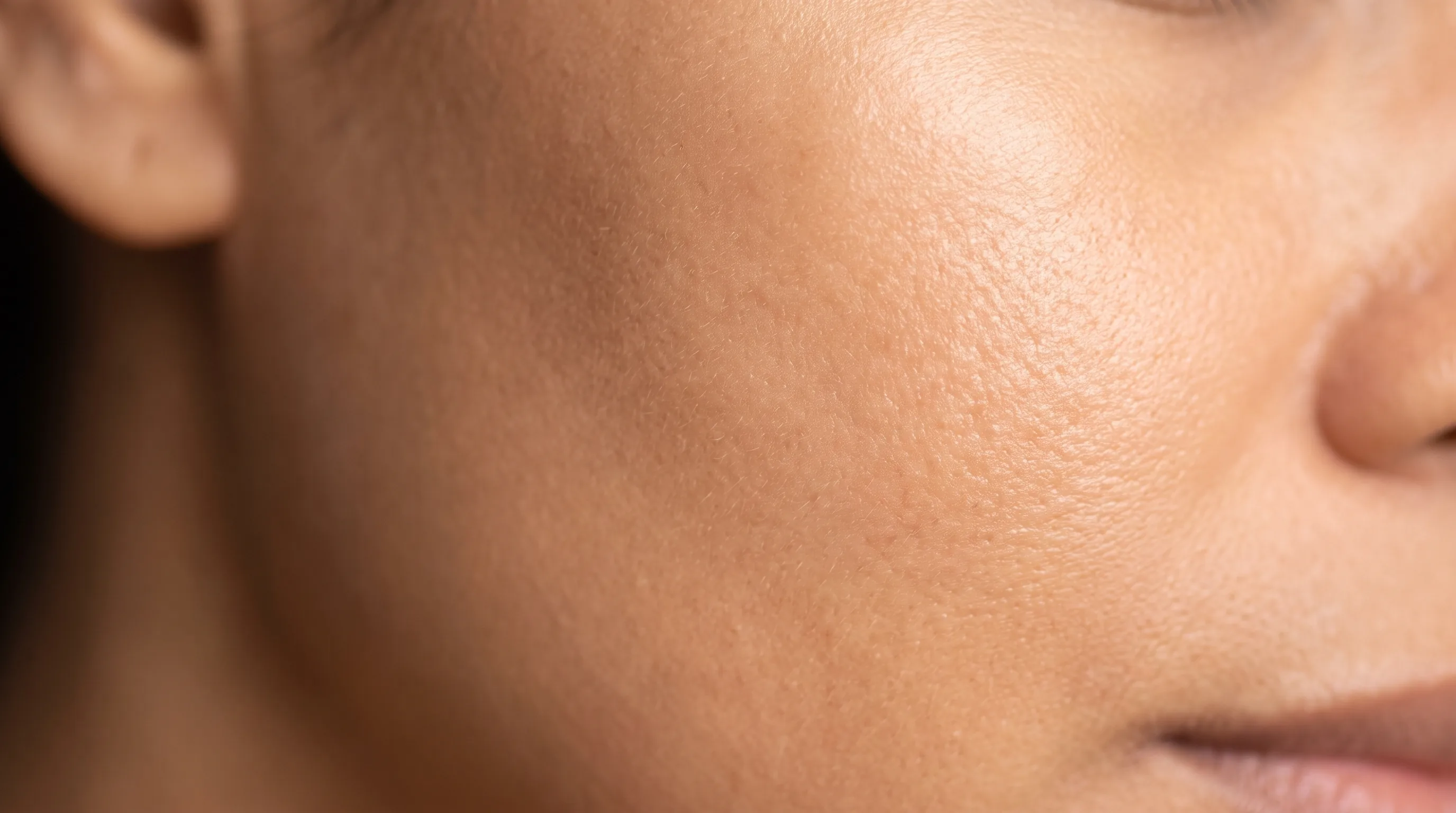
Many people notice smoother, more even, or firmer-looking skin over time, and the effects build gradually with consistent use. If you are not seeing what you hoped for after a fair trial, that is worth a conversation with your clinician about whether to continue.
| Timeframe | What people typically report |
|---|---|
| First few weeks | Skin tolerating the product; little visible change yet |
| Around 8 weeks | A fair point to judge skin texture or firmness changes, if any |
| Ongoing use | Effects are gradual and modest, and depend on the person |
pru keeps this simple: everything is prescribed by a licensed physician, compounded at a 503A pharmacy, and priced at cost on a flat membership, so the plan is built around what may actually help you rather than upselling more product.
How pru handles copper peptides
pru is a telehealth platform focused only on peptides and longevity therapies. Here is how the model works: you choose the peptide you want to start, guided by pru, and a licensed physician confirms it is appropriate for you or advises against it, based on your health history, how you tolerate it, and your goals.
When GHK-Cu is a fit, that physician writes a prescription filled by an FDA-regulated 503A compounding pharmacy. That makes pru's GHK-Cu an individualized, 503A-compounded prescription, prepared for you by a licensed pharmacy, not a mass-market product and not a research-grade vial.
pru offers GHK-Cu as a topical cream (0.5%, 30 g), the copper peptide you rub on rather than inject. With the topical form now in the FDA's Category 1 and the injectable form headed for Pharmacy Compounding Advisory Committee review, pru plans to offer the injectable form too as that pathway settles, the way pru does everything else: prescribed by a licensed physician and filled by an FDA-regulated, pharmacy-grade 503A pharmacy.
That doctor oversight and pharmacy-grade quality is what pru prides itself on. The pharmacy label carries the exact strength and directions for your prescription, so we defer dosing specifics to that label and your physician rather than printing a one-size number here. You can read our general GHK-Cu dosage overview and more about the injectable form for background.
The contrast is simple. An over-the-counter serum is a cosmetic with no prescriber and no compounding pharmacy. A "research-grade" vial has no product-level quality control and is not sold for human use. pru sits in the middle path: a real prescription, a licensed physician, and a regulated 503A pharmacy.
And the pricing is different by design. pru runs on a flat membership of about $50 a month, and everything is priced at cost. No per-vial markup, no upsell.
Looking into how you support your skin and tissue repair is a smart, proactive step, and pru exists to make that informed choice the accessible one, so the responsible path is also the easy one. When you are ready, start with the copper peptide repair and regeneration category or view the GHK-Cu product page. Peptides, prescribed properly and priced at cost.
Related reading
- GHK-Cu, the copper peptide
- GHK-Cu dosage
- GHK-Cu before and after
- GHK-Cu injection, explained
- see it on pru
Common questions
Sources & further reading
- GHK Peptide as a Natural Modulator of Multiple Cellular Pathways in Skin Regeneration (NIH/PMC)
- Copper peptide GHK-Cu (Wikipedia, citing primary literature)
- Copper peptides: these powerful molecules are worth the skincare hype (The Conversation)
- Pharmacy Compounding Advisory Committee and bulk drug substances under section 503A (FDA)
- GHK-Cu at pru (joinpru.com)
- Pickart & Margolina (2018), Regenerative and Protective Actions of the GHK-Cu Peptide in the Light of the New Gene Data, Int. J. Mol. Sci., PMC / NIH (PubMed Central)
- Pickart, Vasquez-Soltero & Margolina (2015), GHK Peptide as a Natural Modulator of Multiple Cellular Pathways in Skin Regeneration, BioMed Research International, PMC / NIH (PubMed Central)
- joinpru.com; GHK-Cu (copper peptide) product page, /shop/product/ghkcu